

October 13, 2026
Playing with Both Hands
Why Strength and Vulnerability Make Us More Fully Human
When you hear the word masculine, what qualities come to mind? Strong? Tough? Competitive? Independent?
And when you hear the word feminine? Emotional? Sensitive? Nurturing? Caring?
Those would have been my answers when I was a boy growing up in a tough neighborhood on the South Side of Chicago.
My father left our family when I was young, so I looked to the men in my neighborhood as models of manhood. They were warriors, protectors, providers, and fixers. Men were supposed to be tough, invincible, competitive, and self-reliant. We weren’t supposed to be soft, weak, sensitive, or emotional.
The movie characters Rocky and Rambo captured that image of masculinity.
As a boy, I didn’t show many feelings. Anger was acceptable—like fighting with my older brother, our version of conflict resolution. But vulnerability? Tears? Sensitivity? Those belonged on the feminine side.
Over the past 50 years, my ideas about masculinity and femininity have changed. Several experiences helped reshape them.
My First Teacher: My Mother Taught Me About Strength
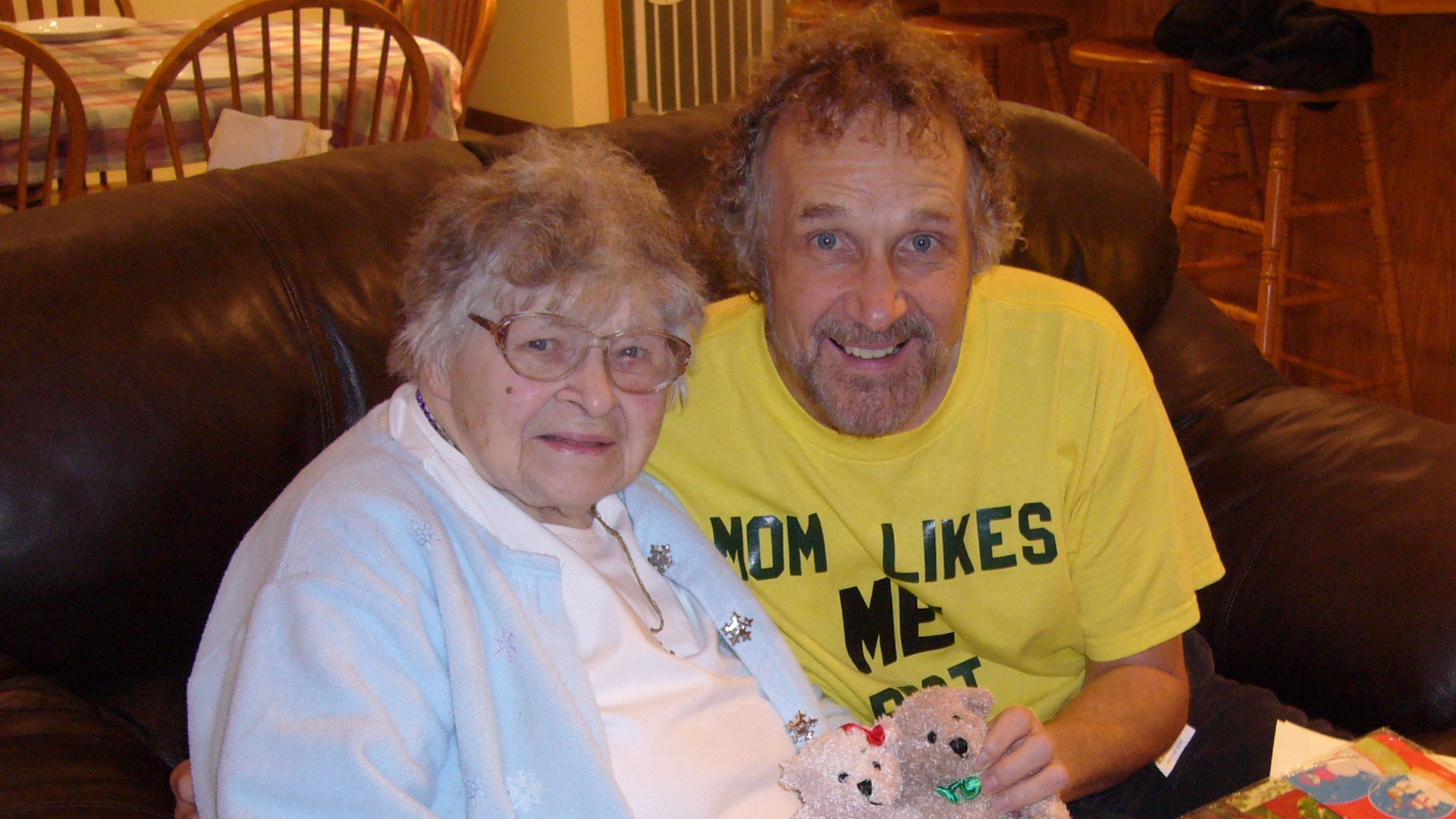
After my father left the family, my mother raised four children on her own. She was the breadwinner, working at Campbell Soup factory. She tackled problems I assumed belonged to men: plumbing, electrical work, carpentry.
Apparently, nobody had told my mom what women weren’t supposed to do.
She taught me an important lesson long before I fully understood it: Strength doesn’t just belong to men. And nurturing doesn’t just belong to women.
Later, as a family therapist, I saw how families benefited when parents weren’t confined to rigid roles—mothers as nurturers, fathers as disciplinarians. Children benefited when mothers could also set boundaries and fathers could also be emotionally available.
My Second Teacher: Fatherhood Taught Me About Connection
Before having children, much of my self-esteem as a man came from achievement. Work hard. Accomplish. Succeed.
Achievement brought money, recognition, and status. Those became measures of success—and, to some extent, measures of my manhood.
When my daughter Melissa and my son Nate were born, I discovered that parenting wasn’t about performance or achievement. It was about relationship.
My children needed qualities I had once considered feminine: nurturing, tenderness, and sensitivity. Being tough and competitive didn’t help much when I was holding a crying baby. But holding that baby made me realize I needed another set of skills.
Years later, I found the perfect metaphor for what I was learning while watching one of my favorite athletes.
My Third Teacher: Michael Jordan Taught Me to Use Both Hands
I loved watching Michael Jordan play basketball for the Chicago Bulls. He would drive toward the basket intending to make a right-handed layup. But if a defender blocked his right side, Michael would switch hands in midair and score with his left.
That became a metaphor for my own development as a man.
Most men of my generation had been well trained in what I call the right-handed way of manhood: Be strong. Protect. Compete. Fix problems. Be self-reliant—all valuable qualities.
I don’t believe men need to abandon them. But many of us had not developed the left-handed way: Expressing emotions. Listening. Showing empathy. Being vulnerable. Opening our hearts.
The problem wasn’t that the right-handed way of being a man was bad. The problem was that we were trying to play the game of life with one hand tied behind our back.
Attending men’s groups became an important part of my own development. They gave me a safe place to practice using both hands—to embrace openness and vulnerability while discovering that those qualities didn’t diminish my strength as a man. They made me stronger.
That brings me back to Rocky and Rambo.
Sylvester Stallone, who portrayed those iconic characters, spoke candidly in his memoir, The Steps, published this September 2026. He talked about growing up with a violent father and absent mother.
Rocky and Rambo became cultural symbols of toughness. That toughness helped Stallone survive and succeed, but he has also described the personal cost, including anxiety, struggles with body image, and regret. He said that he had built a castle out of thousands of stones of regret. As he told it, it took him until he was 70 to experience real love.
His reflections resonated with me because we need to realize that one hand isn’t enough.
This Isn’t Just About Men
Women have also been confined by traditional gender roles. Just as men can embrace tenderness, vulnerability, connection, and love, women can embrace strength, assertiveness, independence, and power.
We don’t have to divide these qualities into two boxes labeled masculine and feminine. Strength doesn’t have a gender. Neither does tenderness. Courage, empathy, independence, vulnerability, assertiveness, connection, and compassion are available to all of us.
They are human qualities. And the more of them we can access, the more choices we have in responding to life.
- Sometimes life requires us to be strong. Sometimes gentle.
- Sometimes we need to stand our ground. Sometimes we need to listen.
- Sometimes we need to fix the problem. And sometimes we need to ask for help.
We all need both hands. Like Michael Jordan, we play a much better game when we use both hands.